

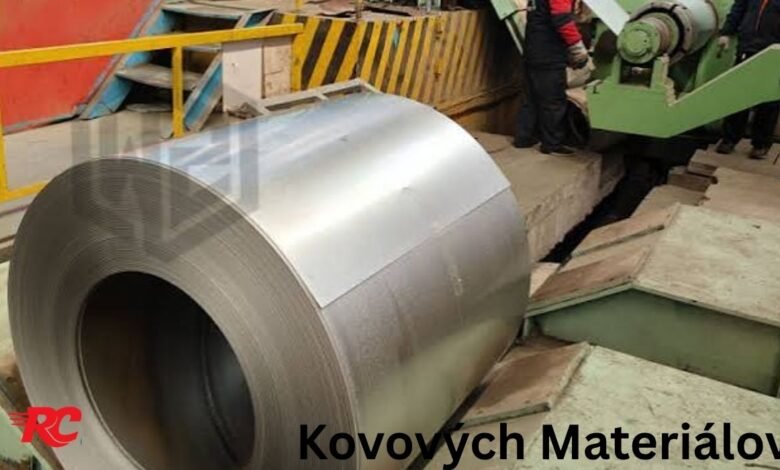
Kovových materiálov, or metal materials, play a fundamental role in modern society. From the buildings we live in and the vehicles we drive to the electronic devices we use every day, metals are essential for countless applications. Their unique combination of strength, durability, conductivity, and recyclability makes them one of the most valuable classes of engineering materials.
Understanding kovových materiálov is important not only for engineers and manufacturers but also for students, business owners, and anyone interested in construction, technology, or industrial production. Different metals possess different physical and chemical properties, making each suitable for specific applications. Choosing the right metal material can improve product performance, reduce manufacturing costs, and increase the lifespan of structures and equipment.
In this comprehensive beginner’s guide, you’ll learn what kovových materiálov are, their characteristics, common types, advantages, disadvantages, industrial applications, and the latest trends shaping the metal industry in 2026.
Quick Information Table
| Information | Details |
|---|---|
| Topic | Kovových Materiálov (Metal Materials) |
| Category | Engineering Materials |
| Common Types | Steel, Aluminum, Copper, Iron, Titanium, Brass, Bronze |
| Primary Uses | Construction, Automotive, Aerospace, Electronics, Manufacturing |
| Main Properties | Strength, Hardness, Conductivity, Durability |
| Corrosion Resistance | Depends on the type of metal |
| Recyclability | Very High |
| Electrical Conductivity | Excellent for Copper and Aluminum |
| Thermal Conductivity | High in most metals |
| Weight | Varies by material |
| Manufacturing Methods | Casting, Forging, Rolling, Machining, Welding |
| Cost | Depends on metal availability and processing |
| Environmental Impact | Recyclable with lower long-term waste |
| 2026 Trend | Smart alloys and sustainable manufacturing |
What Are Kovových Materiálov?
Kovových materiálov refers to metallic materials used across numerous industries due to their excellent mechanical and physical properties. These materials are extracted from naturally occurring ores and processed into usable forms such as sheets, rods, pipes, plates, wires, and structural components. Metals have been used by humans for thousands of years, beginning with copper and bronze before advancing into the Iron Age and today’s highly engineered alloys.
Today, metal materials are manufactured using sophisticated processes that enhance strength, corrosion resistance, flexibility, and overall performance. Whether constructing skyscrapers or designing spacecraft, kovových materiálov remain among the most trusted engineering resources available.
Main Characteristics of Metal Materials
Metal materials possess several important characteristics that distinguish them from wood, plastics, ceramics, and composite materials. One of their greatest strengths is mechanical durability. Metals can withstand heavy loads, impacts, and repeated stress without failing easily. Many metals also demonstrate excellent ductility, allowing them to be bent, rolled, or shaped into complex designs without breaking.
Another defining feature is conductivity. Copper and aluminum are excellent conductors of electricity and heat, making them essential in electrical wiring and heat exchangers. Metals also exhibit good machinability and weldability, enabling manufacturers to create intricate parts with precision. Many modern alloys are specifically engineered to resist corrosion, oxidation, and extreme temperatures, making them suitable for demanding environments.
Common Types of Kovových Materiálov
Metal materials are available in many forms, each designed for different purposes. Steel is the most widely used due to its exceptional strength, affordability, and versatility. Stainless steel contains chromium, providing outstanding resistance to rust and corrosion. Aluminum is lightweight, corrosion-resistant, and commonly used in transportation and aerospace industries.
Copper is known for its superior electrical conductivity and is widely used in electrical systems. Titanium combines exceptional strength with low weight and high corrosion resistance, making it valuable in aerospace and medical applications. Brass and bronze, both copper-based alloys, are commonly used for decorative items, plumbing fixtures, bearings, and marine equipment due to their durability and resistance to wear.
Advantages of Using Kovových Materiálov
The popularity of metal materials comes from their numerous practical benefits. They offer high structural strength, making them ideal for buildings, bridges, machinery, and vehicles. Many metals can withstand harsh environmental conditions for decades with minimal maintenance. Their excellent thermal and electrical conductivity supports industries such as electronics, renewable energy, and telecommunications.
Another significant advantage is recyclability. Most metal materials can be recycled repeatedly without losing their essential properties. Recycling metals conserves natural resources, reduces mining activities, and decreases energy consumption. Additionally, metal products often provide better long-term value because of their durability and low replacement costs.
Limitations and Challenges
Despite their many advantages, kovových materiálov also present certain challenges. Some metals are susceptible to corrosion when exposed to moisture, chemicals, or saltwater. Protective coatings, galvanization, and alloying elements are commonly used to minimize this issue. Heavy metals such as iron and steel may also increase transportation costs due to their weight.
Manufacturing metal products often requires specialized equipment, skilled labor, and significant energy consumption. Price fluctuations in global metal markets can also affect production costs. Furthermore, improper mining and processing practices may create environmental concerns, emphasizing the need for sustainable extraction and recycling methods.
Applications of Kovových Materiálov
Kovových materiálov are used in nearly every major industry because of their reliability and performance. In the construction sector, steel beams, reinforcing bars, roofing sheets, and structural frames provide the strength required for buildings, bridges, tunnels, and industrial facilities. Engineers rely on metal materials to create structures that can withstand heavy loads, harsh weather, and decades of continuous use.
The automotive industry depends heavily on steel and aluminum for manufacturing vehicle frames, engines, suspension systems, and safety components. Lightweight metals help improve fuel efficiency while maintaining passenger safety. In the aerospace sector, titanium and aluminum alloys are preferred because they offer an excellent balance between strength and weight. Metal materials are equally important in shipbuilding, railways, agriculture, renewable energy systems, household appliances, and medical equipment. Their versatility makes them one of the most valuable resources in modern engineering.
Manufacturing Processes of Metal Materials
Metal materials undergo several manufacturing processes before becoming finished products. The process begins with mining metal ores, followed by refining and smelting to extract pure metal. Once purified, the material is shaped using techniques such as casting, forging, rolling, extrusion, or machining.
Casting involves pouring molten metal into molds to create complex shapes. Forging strengthens the material by applying compressive forces, making it suitable for heavy-duty components. Rolling produces metal sheets, plates, and structural sections, while machining creates highly precise parts for industrial machinery. Welding and fabrication then join different metal components into complete products. Modern manufacturing increasingly relies on automation, robotics, and computer-controlled machinery to improve precision, reduce waste, and increase production efficiency.
How to Choose the Right Kovových Materiálov
Selecting the appropriate metal material depends on the intended application and operating conditions. Engineers first evaluate the required mechanical strength, corrosion resistance, temperature tolerance, weight, and cost. For example, stainless steel is ideal for food processing and medical equipment because it resists corrosion and is easy to clean. Aluminum is commonly selected for transportation because of its lightweight properties, while copper remains the preferred choice for electrical wiring due to its exceptional conductivity.
Environmental conditions also influence material selection. Metals exposed to marine environments require excellent corrosion resistance, whereas industrial machinery may require materials capable of withstanding high temperatures and continuous mechanical stress. Budget considerations, maintenance requirements, and expected service life should all be considered before making a final decision. Choosing the correct material improves performance, safety, and long-term value.
Maintenance and Corrosion Protection
Proper maintenance significantly extends the lifespan of metal materials. Regular inspections help identify early signs of corrosion, cracks, or surface damage before they become serious problems. Cleaning metal surfaces removes dirt, chemicals, and moisture that may accelerate deterioration.
Protective coatings such as paint, powder coating, galvanization, and specialized anti-corrosion treatments are commonly applied to shield metals from environmental exposure. Lubrication reduces wear in moving mechanical parts, while proper storage protects unused materials from moisture and oxidation. Stainless steel requires less maintenance than ordinary carbon steel, but even corrosion-resistant metals benefit from regular care. A proactive maintenance program reduces repair costs, minimizes downtime, and improves the overall reliability of metal structures and equipment.
Future Trends in Kovových Materiálov (2026 Update)
The metal industry continues to evolve through innovation and sustainability. One of the most significant trends in 2026 is the development of advanced alloys that offer greater strength, lower weight, and improved corrosion resistance. These materials are helping industries build more efficient vehicles, stronger infrastructure, and high-performance industrial equipment.
Digital manufacturing technologies such as artificial intelligence, automation, and smart quality control systems are transforming metal production. Additive manufacturing, commonly known as metal 3D printing, is enabling manufacturers to create complex parts with minimal waste. Sustainability is also becoming a top priority, with companies investing in cleaner production methods, renewable energy, and improved recycling systems. These innovations reduce environmental impact while increasing productivity and material efficiency.
Tips for Beginners Working with Metal Materials
Beginners should start by learning the basic properties of commonly used metals and understanding where each material performs best. Safety should always come first when handling metal materials, including the use of protective gloves, eye protection, and appropriate tools. Understanding corrosion, heat treatment, welding techniques, and machining basics will provide a strong foundation for further learning.
It is also helpful to become familiar with international material standards and quality certifications, as these ensure consistency and reliability. Practicing with small projects can improve practical skills while building confidence. Continuous learning is essential because new alloys, manufacturing technologies, and sustainable practices continue to shape the future of metal engineering.
Final Thoughts
Kovových materiálov remain among the most essential engineering materials in the modern world. Their exceptional strength, durability, conductivity, and recyclability make them indispensable across industries ranging from construction and transportation to healthcare and advanced manufacturing. As technology continues to advance, metal materials are becoming lighter, stronger, and more environmentally friendly, allowing engineers to design increasingly innovative products and infrastructure.
For beginners, understanding the different types of metals, their properties, manufacturing methods, and maintenance requirements provides a solid foundation for future study or professional work. By selecting the right material for each application and following proper maintenance practices, businesses and individuals can maximize performance, reduce costs, and contribute to more sustainable industrial development. As we move further into 2026, kovových materiálov will continue to play a vital role in shaping the technologies and infrastructure of tomorrow.
Frequently Asked Questions (FAQs)
1. What are kovových materiálov?
Kovových materiálov are metal materials used in engineering, construction, manufacturing, transportation, electronics, and many other industries. They include metals such as steel, aluminum, copper, titanium, brass, and bronze. These materials are valued for their strength, durability, conductivity, and long service life.
2. Which metal material is most commonly used?
Steel is the most commonly used metal material worldwide because it combines high strength, affordability, versatility, and excellent mechanical properties. It is widely used in buildings, bridges, vehicles, machinery, pipelines, and industrial equipment.
3. Why are metal materials recyclable?
Most metals can be melted and reused repeatedly without significantly losing their physical or mechanical properties. Recycling reduces energy consumption, conserves natural resources, lowers greenhouse gas emissions, and minimizes industrial waste, making metal one of the most sustainable engineering materials available.
4. How can corrosion be prevented?
Corrosion can be minimized by applying protective coatings, using galvanized or stainless steel, performing regular maintenance, keeping metal surfaces clean and dry, and selecting corrosion-resistant alloys for demanding environments. Proper storage and routine inspections also help extend the lifespan of metal products.
5. What is the future of kovových materiálov?
The future of metal materials focuses on advanced lightweight alloys, sustainable manufacturing, increased recycling, artificial intelligence in production, automation, and metal 3D printing. These innovations will improve performance, reduce environmental impact, and support the growing demand for high-quality engineering materials across industries.